Fall Arrest Systems Retractable Lifeline Install

Thursday 1st September 2022

Fall arrest systems are an important part of work at height safety, helping workers access high-level areas while remaining connected to a suitable anchorage system. When designed and installed correctly, they allow safe movement across the working area and help reduce the risk of serious injury in the event of a fall.

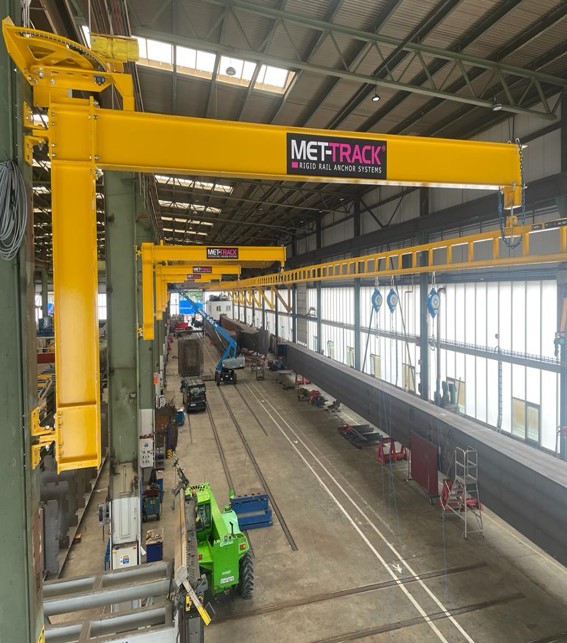
Prolift recently completed the installation of a Met-Track® rigid rail fall arrest system. This type of system is designed to provide continuous fall protection for workers carrying out tasks at height, particularly where regular access is required along a fixed route or work zone.

The system comprises a permanently installed rigid anchorage rail with free-running anchorage connectors housed within the enclosed profile. Depending on the layout and site requirements, Met-Track® systems can be supplied in standard or reinforced configurations, with options available for up to 8 users and support spans of up to 12 metres.

Project focus: The aim of this installation was to provide a safer, more controlled means of access for workers carrying out high-level tasks, while allowing good freedom of movement along the working area.

What Is a Fall Arrest System?

A fall arrest system is designed to arrest a fall after it has occurred. It normally includes a suitable anchorage point or anchorage system, a connecting device, and personal fall protection equipment worn by the user. The purpose of the system is to stop the fall in a controlled way and limit the forces transferred to the worker.

Fall arrest is different from fall restraint. A fall restraint system is designed to prevent the user from reaching an area where a fall could occur. A fall arrest system, on the other hand, is used where there remains a possibility of a fall, and the system must be capable of safely arresting that fall.

Where possible, fall restraint is generally preferred because it prevents the fall hazard from being reached. However, many workplaces require fall arrest because of the structure, the task being carried out, the available access route, or the need for workers to move across a larger area.

Why Rigid Rail Fall Arrest Systems Are Used

Rigid rail fall arrest systems are commonly used where workers need to move along a defined route while remaining continuously connected. This can include industrial buildings, maintenance areas, loading bays, production facilities, vehicle access zones, plant rooms, roof structures and architectural applications.

Compared with some traditional wire-based systems, a rigid rail system offers a solid enclosed profile that does not stretch in the same way during a fall event. This can help reduce the total fall distance, which is an important factor when assessing fall clearance and the risk of contact with the structure, machinery or ground below.

The free-running anchorage connectors allow users to move along the rail with minimal interruption. This is especially useful where workers need both hands available for the task and cannot repeatedly stop to disconnect and reconnect.

Key Advantages of the Met-Track® System

Continuous Protection

Users can remain connected while moving along the rail, helping to reduce the need for repeated clipping and unclipping.

Reduced Fall Distance

The rigid profile helps minimise system deflection compared with many wire-based alternatives.

Smooth User Movement

Free-running connectors allow the user to travel along the rail more efficiently while working at height.

Flexible Layout Options

Single rail, multiple rail and bespoke layouts can be designed to suit the structure and working area.

Multiple User Capability

Systems can be configured for more than one user, depending on the application and design requirements.

Rescue Planning Options

The system can be considered as part of a wider rescue strategy, including self-rescue or assisted rescue arrangements where suitable.

Designed Around the Site, Not Just the Product

A fall arrest system should never be selected as a standard product without considering the working environment. The safest and most practical solution depends on the structure, the task, the number of users, the working height, the access route and the available clearance below the work area.

During the planning stage, the layout must be reviewed carefully. In some areas, a straight rail may be suitable. In other situations, multiple rails or a more tailored design may be required to give workers the access they need while keeping the system practical to use.

The correct design also helps improve productivity. If the system is difficult to use, workers may lose time moving around the work area or may be tempted to take shortcuts. A well-planned rigid rail system supports safe movement while allowing the work to be carried out efficiently.

Design Consideration Why It Matters
Working area The system must allow the user to reach the required work zone safely without unnecessary restrictions.
Number of users The system must be designed for the number of people who may be connected at the same time.
Fall clearance There must be enough clearance below the user for the system to arrest a fall safely.
Supporting structure The structure must be assessed to ensure it is suitable for the loads imposed by the fall protection system.
Rescue plan A clear rescue method must be in place before the system is used.
Inspection access The system should be accessible for future inspection, servicing and maintenance.

Rigid Rail Compared with Wire-Based Systems

Wire-based systems are widely used and can be suitable for many applications. However, rigid rail systems can offer advantages in environments where reduced fall distance, smoother movement and multiple user access are important.

In the event of a fall, a wire system may deflect or stretch depending on the design and span. This can increase the total distance a user falls before the system arrests the fall. A rigid rail system is designed to reduce this movement, which can be particularly beneficial in areas where clearance is limited.

Another advantage is user movement. With the correct rail layout, workers can pass along the system more freely. In certain multiple rail configurations, it may also be possible for users to pass one another, helping to reduce downtime and improve the flow of work.

Feature Rigid Rail System Wire-Based System
System movement Minimal deflection when correctly designed May deflect or stretch depending on span and design
User travel Smooth travel along a fixed rail profile Travel depends on system layout and components
Fall clearance Can help reduce required clearance Clearance must account for wire deflection
Applications Often used where precise access and controlled movement are required Suitable for many general access and fall protection applications

Rescue Planning Is Essential

Installing a fall arrest system is only one part of managing work at height. A rescue plan must also be in place before the system is used. If a worker falls and is suspended in their harness, they need to be recovered safely and without unnecessary delay.

A suitable rescue plan should consider the location of the worker, how the rescue will be carried out, what equipment is required, who is trained to carry out the rescue and how quickly the rescue can be completed.

Depending on the system design and the work area, a Met-Track® rigid rail system may be configured to support different rescue arrangements, including self-rescue, accompanied descent or remote rescue options where appropriate. The correct method should be confirmed during the planning and risk assessment stage.

Note: Fall arrest equipment should only be used by trained personnel, and users should understand how the system works before starting work at height.

Suitable Applications

Rigid rail fall arrest systems are suitable for many working environments where workers require controlled access at height. They are often selected for areas where the same task is repeated regularly, or where a permanent fall protection system is more practical than temporary access equipment.

  • Industrial maintenance areas
  • Manufacturing and production facilities
  • High-level plant and equipment access
  • Loading bays and vehicle access areas
  • Roof edge and roof structure access
  • Architectural and building maintenance applications
  • Warehouses and large commercial buildings
  • Facilities where regular inspection or servicing work is carried out at height

For architectural applications, the system can also be incorporated into the structural design of a building. Where suitable, the rail can be positioned discreetly or concealed within areas such as eaves or roofline details, helping to maintain the appearance of the building while still providing a reliable fall protection solution.

Installation and Practical Considerations

A successful fall arrest installation requires more than fixing a rail in place. The system must be installed in line with the design, the structure must be suitable, and the final arrangement must allow workers to use it safely.

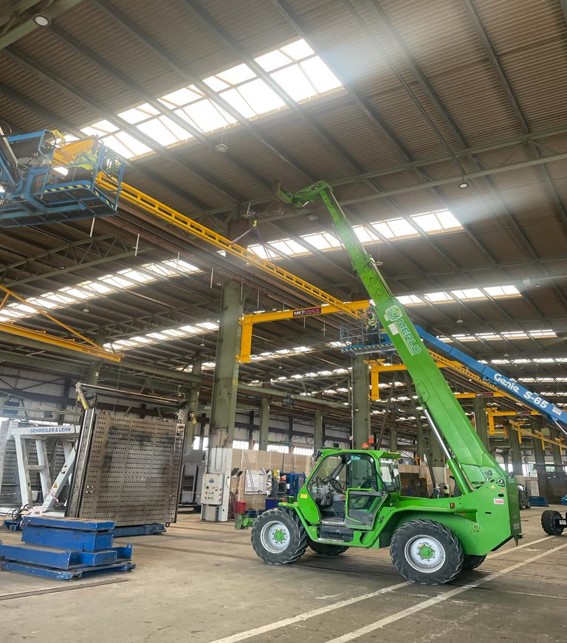
Access for installation also needs to be considered. Depending on the site, mobile elevating work platforms, lifting equipment or other access methods may be required to install the system safely. Coordination with site teams is also important, particularly in live working environments where production, maintenance schedules or other trades may be affected.

Once installed, the system should be inspected and handed over with the relevant documentation. Users should also be familiar with how to connect to the system, how to move along the rail and what to do in the event of a fall or rescue situation.

Ongoing Inspection and Maintenance

Like other height safety systems, fall arrest systems require ongoing inspection and maintenance. Regular checks help ensure that the rail, brackets, fixings, connectors and associated equipment remain in suitable condition for use.

The frequency of inspection will depend on the system, the environment, the level of use and the site’s safety procedures. Systems exposed to harsh environments, heavy use or contamination may require closer attention.

Users should also carry out pre-use checks on their own personal fall protection equipment, including harnesses, lanyards, retractable fall arrest blocks and connectors. Any damaged, worn or suspect equipment should be removed from service and checked by a competent person.

Why Work with Prolift?

Prolift supplies, installs and supports height safety systems for workplaces across Ireland. Our team can help assess the working area, review the access requirements and recommend a suitable fall protection solution based on the task and site conditions.

We work with trusted manufacturers and provide practical solutions for fall arrest, fall restraint and safe access at height. Whether the requirement is for a rigid rail fall arrest system, lifeline system, anchor points, retractable fall arresters or a complete height safety package, the starting point should always be the same: a safe, usable system designed around the real working environment.

Frequently Asked Questions

What is the difference between fall arrest and fall restraint?

Fall restraint is designed to prevent the user from reaching a fall hazard. Fall arrest is designed to stop a fall after it has happened. Where possible, restraint is usually preferred, but fall arrest may be required where the task or work area does not allow restraint.

Can more than one person use a rigid rail fall arrest system?

Yes, depending on the system design. Met-Track® systems can be configured for multiple users, subject to the correct design, structure and application requirements.

Why is fall clearance important?

Fall clearance is the distance needed below the user for the fall arrest system to work safely. If there is not enough clearance, the user may contact the ground, structure, machinery or another obstruction before the system fully arrests the fall.

Does a fall arrest system need a rescue plan?

Yes. A rescue plan should be in place before any fall arrest system is used. The plan should identify how a suspended worker will be rescued safely and quickly.

Can Prolift install fall arrest systems across Ireland?

Yes. Prolift supplies and installs fall arrest, fall restraint and height safety systems for a wide range of workplaces across Ireland.

Post Installation Images

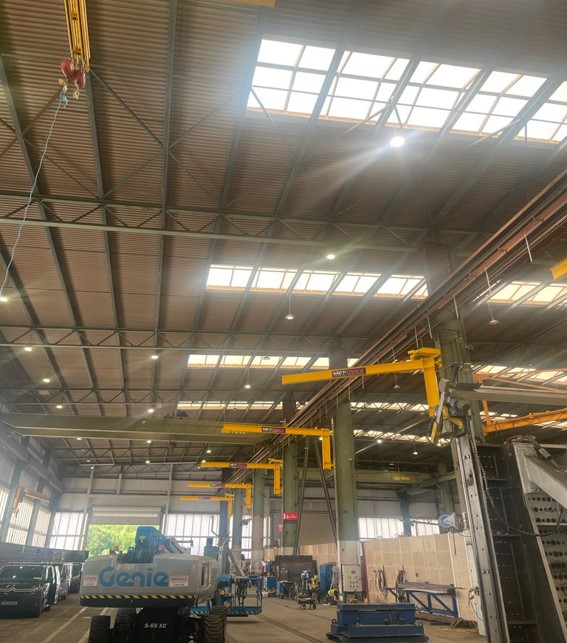
The images below show the completed fall arrest system installation, including the rigid rail profile, supporting structure and working area access.

1
2
3


Full Video of the Fall Arrest System Installation


 For more information about this project please contact our  team by filling out this  inquiry form or call the office on 01-4584836.


Need a Fall Arrest or Height Safety System?

Speak to Prolift about fall arrest systems, rigid rail solutions, lifeline systems and height safety equipment for your workplace.

Trustpilot